
I say it every time I write about comic books; they’ve been a near lifelong passion since my parents bought me Marvel Team-Up # 72 in the early summer of 1978. Spiderman and Iron Man in a vicious tag-team takedown of Tony Stark’s brutal nemesis, Whiplash. It was for the three-hour schlep down to Ocean City, Maryland. Even at age 8, I could whisk through books reasonably fast, since I’ve always loved reading. This however, my first comic book, was an earth-shattering experience, a game-changer. I was hooked immediately. I read it three times on the drive to OC, twice more on the way home.
Flashing forward, I have thrice built a massive comic book collection which I’ve twice pared down in sale, the first due to necessity when we were piss poor and in dire need of immediate cash to pay our bills during layoffs. As painful as having to sell my drum kits, congas, even my Eddie Murray and Cal Ripkin, Jr. autographed baseball. You do what needs must when you gotta keep the creditors off your tail.


I’ve worked in comics retail, at the very dawn of indie publishing juggernaut, Image Comics. I can still see those Youngblood, Shadow Hawk, Spawn, Savage Dragon, Wild C.A.T.S., Bloodstrike and Cyber Force comics disappear within an hour of store opening. You had immortal indie classics like Cerebus, Bone, The Crow, Tank Girl, Judge Dredd and Maus back then, plus a more mature audiences-driven Teenage Mutant Ninja Turtles before they became Saturday morning kiddie pop couture. Image proved at a time when Marvel and DC were flinging a lot of dreck in the early 1990s there was a market to claim outside of the Big Two. Even if those early Image years had their share of thong-split spandex, clunky tech armor, basement curtain-sized capes and impossible hair poofs of the super-damned as much as Marvel and DC.
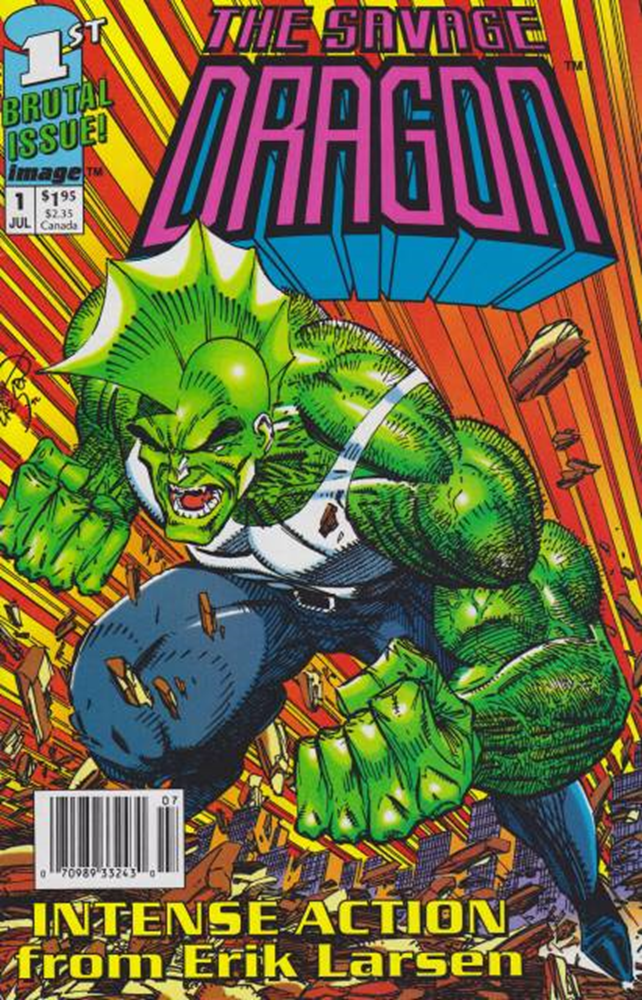

Thank the comics gods for Savage Dragon and Spawn, along with Stan Sakai’s samurai rabbit, Usagi Yojimbo. Sakai has long served as the model for independent artist-writer projects, like Teenage Mutant Ninja Turtles (with whom Usagi has mingled numerous times in comics, cartoons and action figure lines), starting in black and white comics before switching to color.
Sidebar, below is my copy of Usagi’s first issue run after his debut in the cult classic anthology, Albedo Anthropomorphics, signed by the man himself. Many people address him formally as “Mr. Sakai,” as I did when meeting this humble, generous soul. He doodled Miramato Usagi on this and another comic for me and he took a picture with me at the comic con, asking for not a single dollar.

Then there’s that indie powerhouse that could with their glorious takes on existing franchises like Aliens, Predator, The Terminator, Star Wars and later, Hellboy, Umbrella Academy, The Mask, Buffy the Vampire Slayer, Ninja Gaiden and 300. Before Marvel retained their publication rights to Star Wars (and now claiming Aliens and Predator), The Force was breathing for years indie-style. Tom Veitch and Cam Kennedy’s two Dark Empire miniseries remain longtime fan favorites and should be considered canon, in my opinion, along with Timothy Zahn’s Heir to the Empire and Kevin J. Anderson’s Jedi Academy novel trilogies.
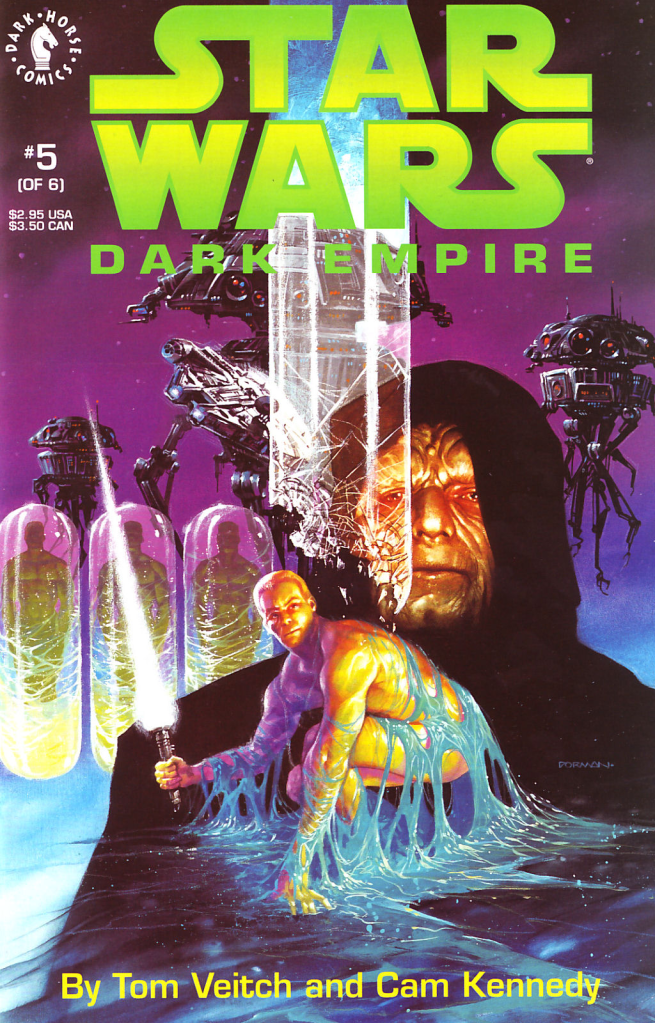
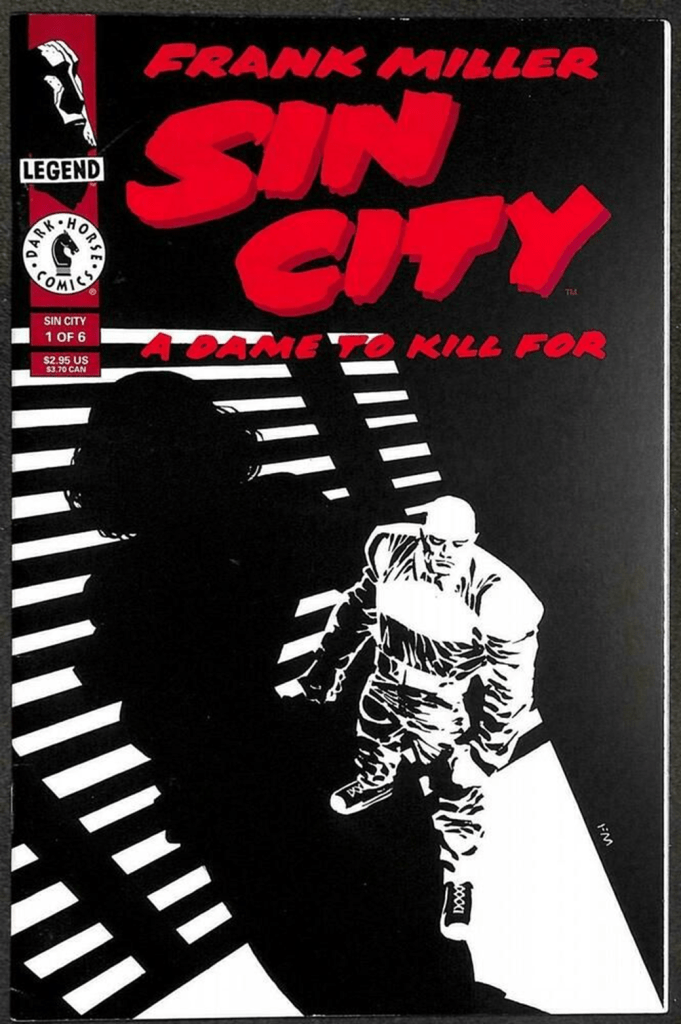
I’m talking Dark Horse Comics, the same house which ushered a sick and twisted redefinition of pulp noir with Frank Miller’s timeless Sin City. Like Image, Dark Horse launched their own brand of in-house superheroes as “Comics’ Greatest World,” which both caught on and flopped in the 1990s (though the label officially began in 1986), with X, Ghost and Barb Wire, the latter made into an atrocious action flick starring Pamela Anderson. Back in the day, their monthly anthology Dark Horse Presents was one to look forward to, mingling short comic stories between franchise-driven and original material.
It’ll take more than your constitution for me to further illustrate a historical outline of comic books, especially independent presses going as far back as Charlton, Gold Key and Eclipse to the newer brigade of Dynamite, Oni Press, Valiant, Scout Comics, IDW, Boom! Studios, Titan Comics, Top Cow and Vault Comics. Suffice it to say, there’s a plethora of independent publishers. Chances are, that new favorite outlandish, gangbusters movie or streaming show that’s become your new addiction is based off an indie comic. The Boys, need I say more? Only in reminder to never forget the zombie phenomenon of The Walking Dead began as an independently released comic, much as HBO’s intelligent response, The Last of Us, comes courtesy of the gaming world.

Spinning back, of course to Image, who are credited as renaissance kings for publishing original creator content. Here is a home where the writing and art gunslingers at Marvel and DC are pushing their own characters and series outside of the superhero realm. Though you’ll get some of those with Image as well, with a decided thumb bite from writers like Mark Millar and Tim Seeley. Millar has given us spectacular crossover hero legacies which you’ve seen in film via Kick-Ass, Wanted, Jupiter’s Legacy and The Kingsman, along with many other staple titles like Huck, Reborn, Hit Girl and American Jesus. It’s so vast, he’s now shaking his entire Millarworld up in a brutal free-for-all miniseries, Big Game.
I would be remiss without stating both DC and Marvel have made their attempts to popularize fringe material outside of their realms of super. Marvel once had Epic Comics, which leaned more towards hard sci-fi and otherworldly fantasy in the vein of Heavy Metal magazine. Anyone with a serious love of comics is already hollering “Vertigo!” at me, DC’s mature audiences side brand which, for me, saved comics in the Nineties via The Sandman, Hellblazer, Swamp Thing, V is for Vendetta, Preacher, Fables, Kid Eternity, 100 Bullets, American Vampire, Codename: Knockout, Lucifer, Scalped, Shade: The Changing Man and Punk Rock Jesus. Seriously, without Vertigo and Image, the independent comic would be the same as independent politicians; on the outs, no prayer of an outreach beyond a minor demographic nobody gives much cred. DC even gave Joe Hill (yeah, that Joe Hill) a stab at launching his own stable, Hill House Horror, and some damned intriguing miniseries emerged like Basketful of Heads, Daphne Byrne, Plunge and The Low, Low Woods outside of his acclaimed Locke & Key.
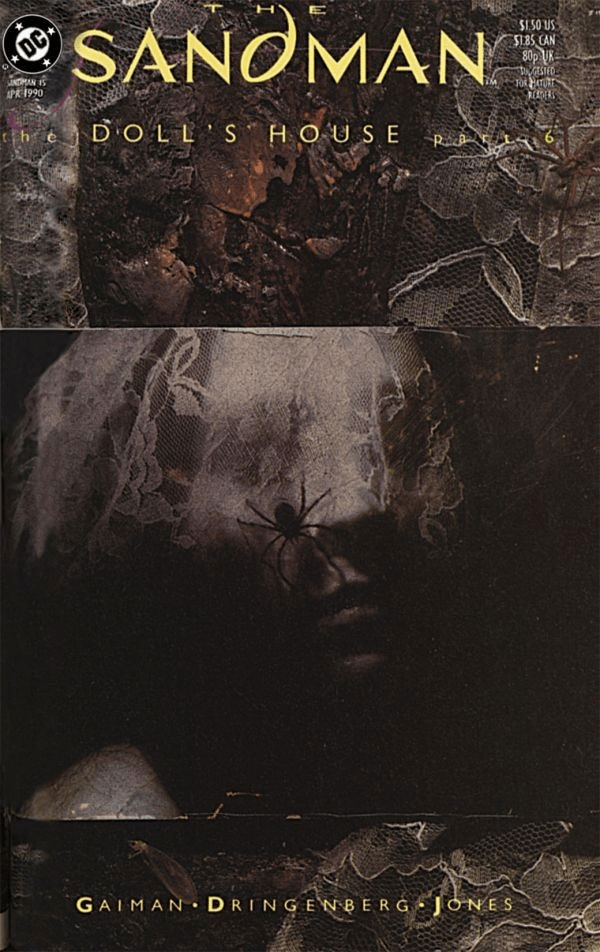
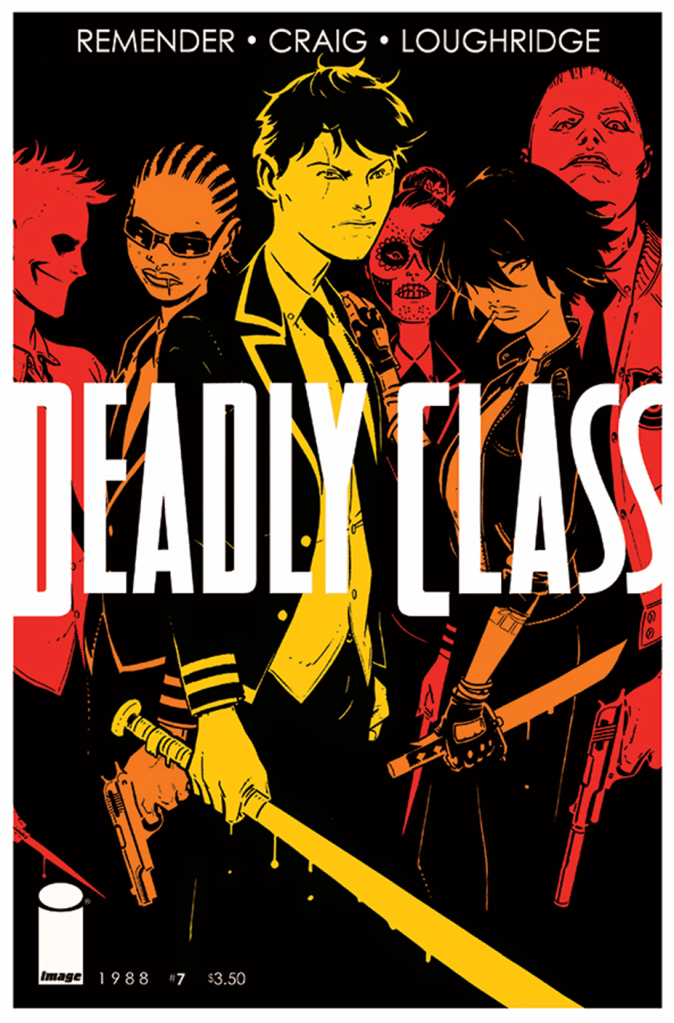
Deadly Class is one of comics’ instant classics which recently completed its run and had a brief fling as an adapted show on Syfy. Rick Remender said everything I ever felt, as a teenager and as a metal-punk hybrid, mostly metalhead. Though I never wanted an outlet for my anger as to join a school of assassins where the stakes are, indeed deadly. For all the comic books that have pushed taboos like Ferals, Faust, The Divine + the Wicked, Sex, Faithless and Sex Criminals, it’s Deadly Class and Brian K. Vaughan/Fiona Staples’ Dali gone intergalactic masterwork, Saga (probably the greatest indie comic of all-time) which showed me the true power of independent comics storytelling.
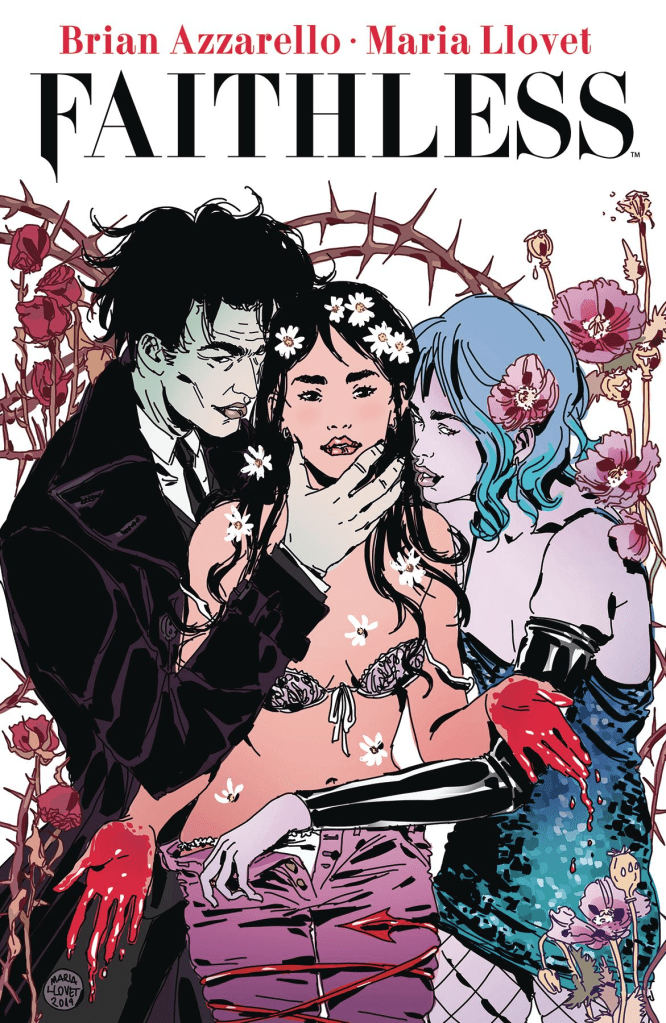
I like to say there’s a comic book for everyone out there and if you’re new and curious to the medium, by all means, dive in to The Big Two’s offerings, even with the rising cover prices. I’ll admit DC’s pricing has gone so wonky lately I had to purge many of their books off my pull list (as a major Batman and Batgirl fan I just can’t keep up, expense-wise), though Tom King just rebooted Wonder Woman last week with one of the most jaw-dropping plots in the Amazonian princess’ entire 80-plus year run. Tom King is like the horror mogul bearing the same last name, both inarguable masters of their craft. What Tom King has done on Batman, Mister Miracle, Heroes in Crisis, Strange Adventures and Batman/Catwoman is high literature. Marvel, I’m always swimming around in Black Panther, Moon Knight, Daredevil, Captain America, Thor, Captain Marvel, the X-Men books, Spidey and many others. I’m a lifer comics hound, so yeah, my collection is dominated by The Big Two.
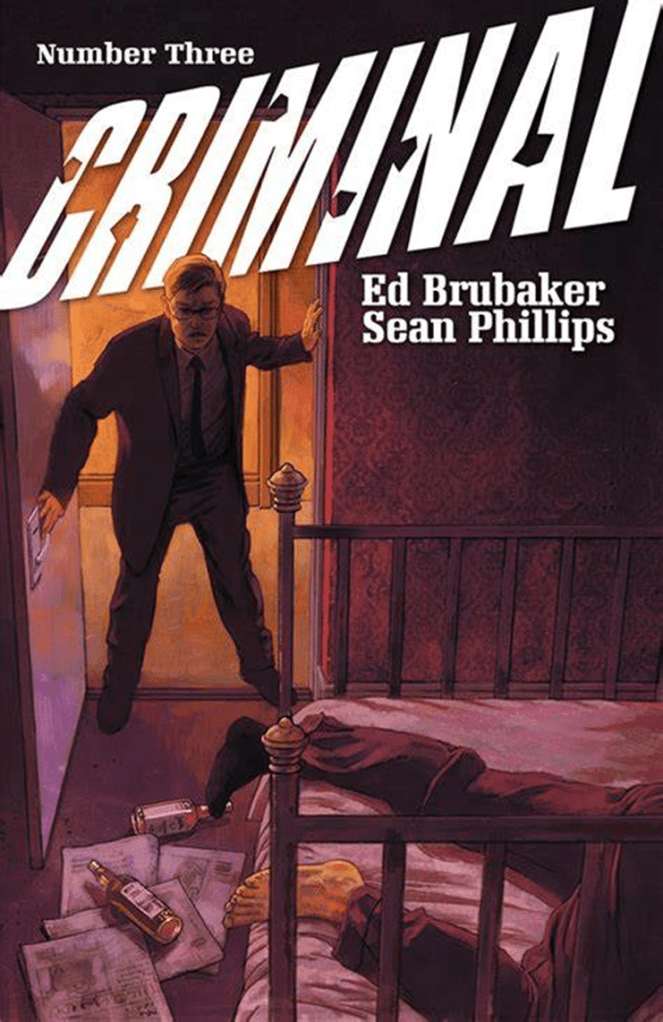


I can rattle off a score of recommended independent comic series like Low, Nailbiter, Paper Girls, I Hate Fairyland, The Very Last Final Girls, Charm City, Local Man, Invincible, Red Sonja, Vampirella, Fatale, Chew, Indigo Children, Astro City, The Red Mother, Criminal, Grindhouse, Rai, Bloodshot, Witchblade, East of West, Black Science, Revival, The Girl With the Dragon Tattoo, Kill or Be Killed, Wytches, Lumberjanes and damned near anything written by Ed Brubaker, Kelly Thompson (who writes the snappiest banter in comics, bar none) or James Tynion, IV, the latter of whom I will get to in a moment.


Even Archie comics have undergone transformation and reimagined in other domains, such as the modernized rebranding of the main Archie series as precursor to the Riverdale t.v. series. Then there’s the nutty but fun Archie Meets Kiss, Archie Meets the Ramones and the gleefully gonzo mash-up, Archie Meets Predator. Imagine, if you will, a clownish alterverse where Betty and Veronica have a 12-issue run-in with, of all things, Red Sonja and Vampirella. It happened. None of these shenanigans outshine the outstanding horror romp, Afterlife With Archie and its malevolent sister series The Chilling Adventures of Sabrina, the latter being far more sinister than its live action Netflix interpretation. It’s a damn shame Roberto Aguirre-Sacasa got redirected with writing t.v. scripts and had to abandon these gems. I’m still holding out for their resurrections.

Here are a few more independent titles I’m flipped out for:
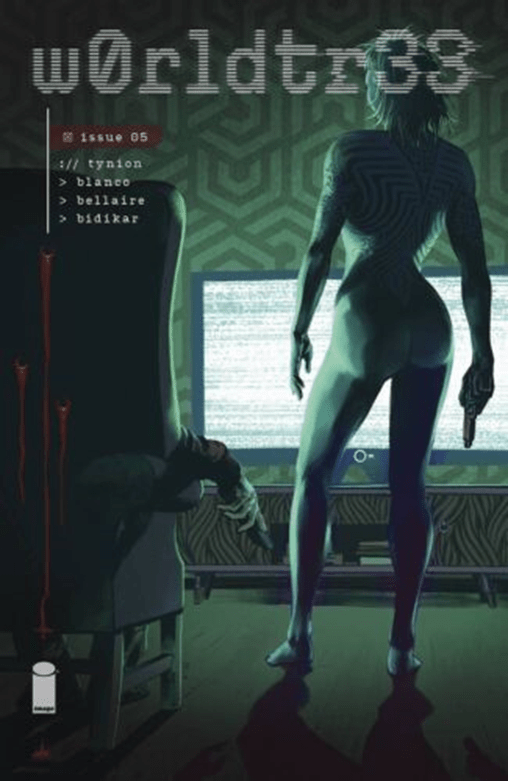
As I mentioned earlier, James Tynion IV is fire. I sat in on one of his convention panels for Boom! Comics and was happy I could contribute something he liked to the conversation. I came to Tynion’s work through the Bat comics and was blown away then. I heard so much talk in comic shops and online about The Woods, I couldn’t help but check it out. I came home from the same convention with the first seven trade paperback collections and went to the finish line. High school horror like you’ve never seen. I can’t spoil it by talking about it. Sheer genius. Then there’s Something is Killing the Children, one of the best horror comics of the modern age. Tynion’s fantasy epic, Wynd, is out of the norm for his regular work, but beautiful stuff. He recently did a 12-issue arc for DC, The Nice House on the Lake, which seems destined to continue, but holy shitballs, Tynion’s newest series for Image, W0rldtr33 is probably indie comics’ hottest ticket right now. Screw the dark web; Tynion’s Undernet is where the apocalypse will be staked. Each issue has gone to multiple printings, the debut issue already on its fifth.

My grandfather used to devour pulp, crime, military merc and western novels as I did by his side and in my bedroom with Stephen King and Conan the Barbarian books. Casca, Mack Bolan, Mike Hammer, Louis L’Amour were his jam and I used to sneak read some of these based on the scantilly-clad women on the covers of those bombastic, juicy paperbacks. Thus I became a fan of noir and pulp, and when you mash them together in Charles Adai’s Gun Honey universe, you get smart and sexy femme assassins who like their sex, absolutely, but tearing shit up gets their rocks off more. No doubt Adai took inspiration from G.G. Fickling’s pulp novel, A Gun for Honey, but he’s now wrapping on three miniseries under Gun Honey, which follows weapons expert Joanna Tan and now master of disguise associate Dahlia Racers in the current arc, Heat Seeker. There’s the promise of more, and I can’t wait. Adai owns the Hard Case Crime imprint, which has published one of my all-time favorite Stephen King novels, Joyland, along with The Colorado Kid and Later. Other HCC comics (in partnership with UK publisher Titan Comics) to check out are Peepland, Triggerman, Breakneck and Normandy Gold.

Let’s stay in the theme of noir and Titan Comics by flagging their Blade Runner line. Who better to thread the events between the original film and Blade Runner 2049 (regular readers of Roads Lesser Traveled know my devotion to these films) than the writer of 2049 himself, Michael Green? I can’t imagine the pressure Green must feel as he’s been writing 12-issue arcs for each decade leading up to Neander Wallace’s reign over the dystopian rape of organic life on Earth. We see and gain more sympathy for the replicant underground, who take a decisive stance through Blade Runner 2019, 2029 and now 2039, though nothing outdoes K and Joi’s sublime artificial romance onscreen in 2049 that rang deeper and truer than most human relationships. No Harrison Ford or Ryan Gosling. In this series, we follow a female Blade Runner, Aanna “Ash” Ashina, as she puts the pieces together of the fallen Tyrell Corporation on her way toward an inevitable confrontation with Niander Wallace’s “angel” replicant, Luv. Ash, considered the best Blade Runner of her time, has her own fall and learns the same level of empathy for replicant rights to co-exist as Ford’s Rick Deckard did. An impossible achievement, Michael Green deserves his own commendation to this esteemed franchise. Titan also released Blade Runner: Origins and a comic tie-in to the CGI show, Blade Runner: Black Lotus. The future is dead only in this world’s ecosystem.
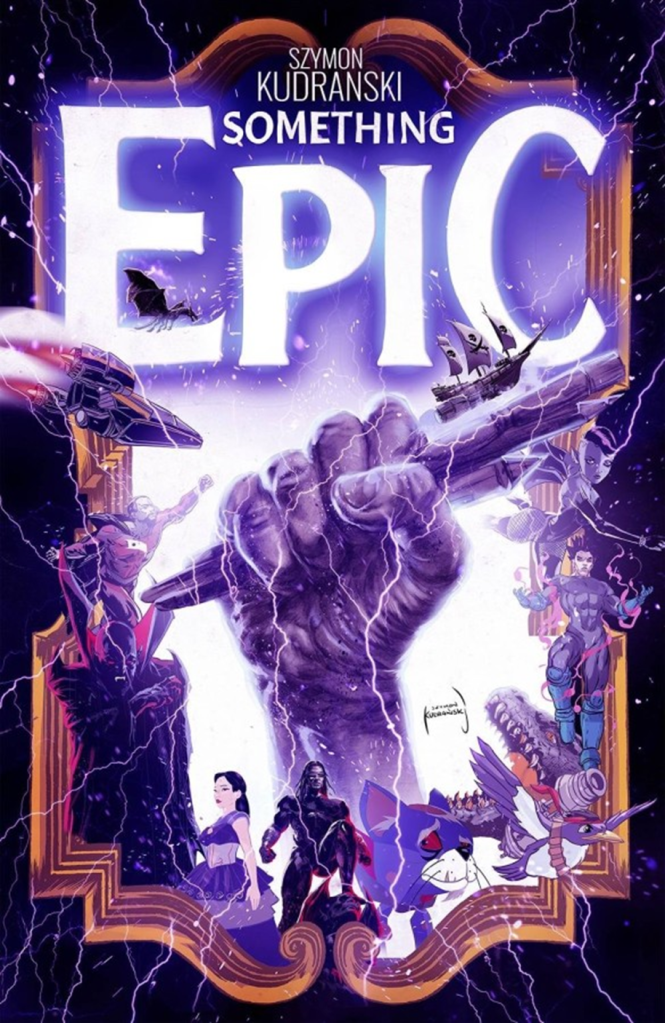
Szymon Kudranski is a wunderkind. Artist, writer, letter and colorist. All in-house and all of it supreme quality. Something Epic is possibly comics’ answer to Ready Player One in the respect pop culture or facsimiles of pop culture run rampant in this gorgeous series which already seems to have a finish line in mind, but could rival Saga if left to play longer. Danny Dillon has a gift beyond gifts. He sees an entire world nobody else does. Imagination running wild in the free world. Kudranski breaks our hearts immediately as 14-year-old Danny is about to suffer tragedy as his mother (the only human on the planet who can believe what he’s going through) is dying of cancer. The narrative bleeds and we feel every lick of Danny’s pain through Kudranski’s elegant prose. Danny is an artist beyond his years, but his adult life has further reaching ramifications. He sees superheroes, monsters, cartoon characters, ships and fire, but it all bursts from a gatekeeper second world a rare few can perceive. Something Epic is setting up for something just that, as the older Danny has faced video game-like trials to claim his rightful place finishing left-for-dead creations of imagination to give them proper life. Just beautiful.

–Ray Van Horn, Jr.
 Roads Lesser Traveled
I tend to not care for titles published by the big two, and lean into the indies when I get hooked on something. I’ve never much cared for the superhero thing, which might explain why I have a hard time liking their output.
Right now, my thing is Monstress (although the most recent story arc has left me wondering aloud what they were thinking when they came up with this concept and I’m glad it seems to be drawing to a close), and I should probably get back into Saga. I miss Deadly Class, but even I felt that it was a good time to tie up the loose ends on that tale.
LikeLiked by 2 people
I never read Monstress, though I see the latest issue hit the stands today. I’ll have a go with it sometime. Marvel is following DC’s lead and jacking prices to a lot of their core books, both imprints leaving certain other titles at the current prices. Gonna make things harder on me to decide what to keep and what to let go from the pull list. I hope the indie publishers hold the line at current pricing, though all of them follow suit as time progresses.
The latest Saga dropped last week and it’s going in a different direction, only for Brian K. Vaughn stating the comic is going on brief hiatus again until the new year. I get it, I really do. At least it’s soooo worth waiting around for. I have a feeling we’re not that far off from a Deadly Class reboot or revisit, though it’s perfectly complete as-is.
LikeLiked by 1 person
Monstress might be one of those “acquired tastes”. It certainly isn’t for everybody, with a female lead who swears like a sailor and has anger management issues with a “eating disorder”, necromancer cats, a fox girl, and lots and lots of eyes.
Lots of euphemisms… huh.
LikeLiked by 1 person
Pingback: Rad Comics Published Outside of the Big Two | Roads Lesser Traveled
Weird and challenging is good, as long as it has something to say. What Saga especially so danged well.
LikeLike
I remember a lot of these! Although I didn’t read most of them, I did see a lot of the movies that came out of them, and of course I watched “The Walking Dead” for years until I finally got sick of it. Out of all the comic book movies based on the books in this post, I’d have to say “Dredd” (with Karl Urban) is one of the best, and sadly seems to have been overlooked. I would’ve liked to see a few more of him teamed up with Olivia Thirlby …
LikeLiked by 1 person
Man, Dredd was terrific! Certainly better than the Stallone version. ANYONE who knows the character knows that film committed a cardinal sin within a few minutes after Stallone takes the helmet off. Come on, man! Respect the canon! Dredd did just that, and I’ve been hearing rumblings of a sequel. I certainly hope so.
LikeLiked by 1 person